A Practical Guide to Tournament Rummy Success
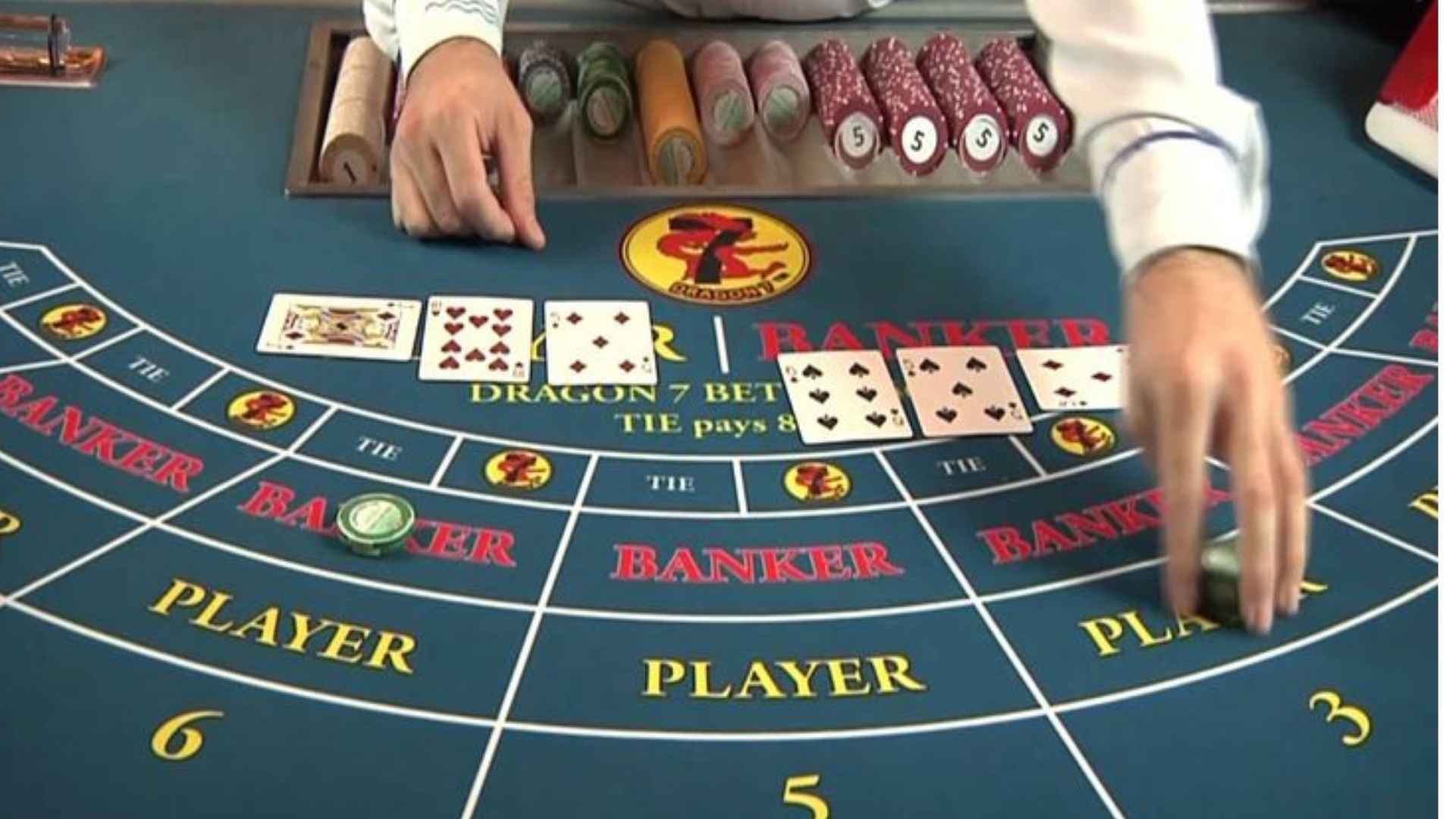
Transitioning from casual family games to the structured environment of a card tournament requires a significant shift in both preparation and execution. While basic card matching gets you through friendly matches, facing seasoned players under strict rules demands a calculated approach. Cultivating the right tactical habits and mental endurance is the ultimate roadmap to achieving consistent victories in competitive arenas.
Adapting to Tournament Formats
Unlike standard games where a single hand dictates the immediate outcome, tournament structures evaluate your overall consistency across multiple rounds. Understanding how points accumulate and how players are gradually eliminated allows you to manage your cards with a long-term perspective. This strategic approach prevents you from taking unnecessary risks early in the match, ensuring your score remains stable.
To prepare effectively for these dynamic settings, players should familiarize themselves with diverse competitive layouts. Completing your M88 login and exploring regulated digital platforms can provide excellent exposure to professional rulesets and varying timers. Getting used to these formal setups beforehand helps reduce pre-game anxiety and builds immediate familiarity with competitive environments.
Advanced Card Tracking Techniques
A key differentiator of successful tournament players is their exceptional ability to read the table and track discarded cards. By observing which cards your opponents discard or draw from the open pile, you can make highly accurate deductions about their active strategies. This detailed observation ensures you do not accidentally discard a vital card that hands an opponent a quick victory.
Additionally, keeping a mental log of remaining cards in the deck helps you calculate the mathematical probability of completing your own sequences. If the specific cards you need have already been discarded, you can quickly pivot your strategy rather than waiting on a hopeless hand. This rapid adaptation prevents wasted turns and keeps your gameplay efficient throughout the match.
Mastering the Art of the Drop
Knowing when to fold or drop a weak hand is just as critical as executing a winning sequence in high-stakes matches. Novice competitors often make the mistake of playing every deal, which frequently leads to massive point penalties. Accepting a minor, fixed penalty by dropping early is a proven way to preserve your standing when dealt unfavorable cards.
This discipline of calculated risk management separates casual hobbyists from consistent tournament champions over long sessions. Conserving your resources and points for rounds where you hold a genuine advantage ensures steady progression through the bracket. Over time, this patient mindset will naturally reflect in your tournament leaderboards.
Maintaining Mental Endurance
Long-form tournaments are grueling intellectual endurance tests that demand sustained focus over several consecutive hours. Physical comfort, proper hydration, and pre-round routines play an essential role in keeping your mind sharp during late-stage games. When fatigue sets in, even highly skilled players can commit basic errors that lead to sudden elimination.
Developing a calm, methodical routine for analyzing your hand under tight time constraints is the best way to handle mounting pressure. Managing your stress response allows you to make objective, logical decisions rather than impulsive moves triggered by the tournament clock. True mastery in competitive rummy is ultimately achieved by balancing sharp card play with unwavering emotional control.