The Psychology of Climax Decision Moments in Competitive Board Play
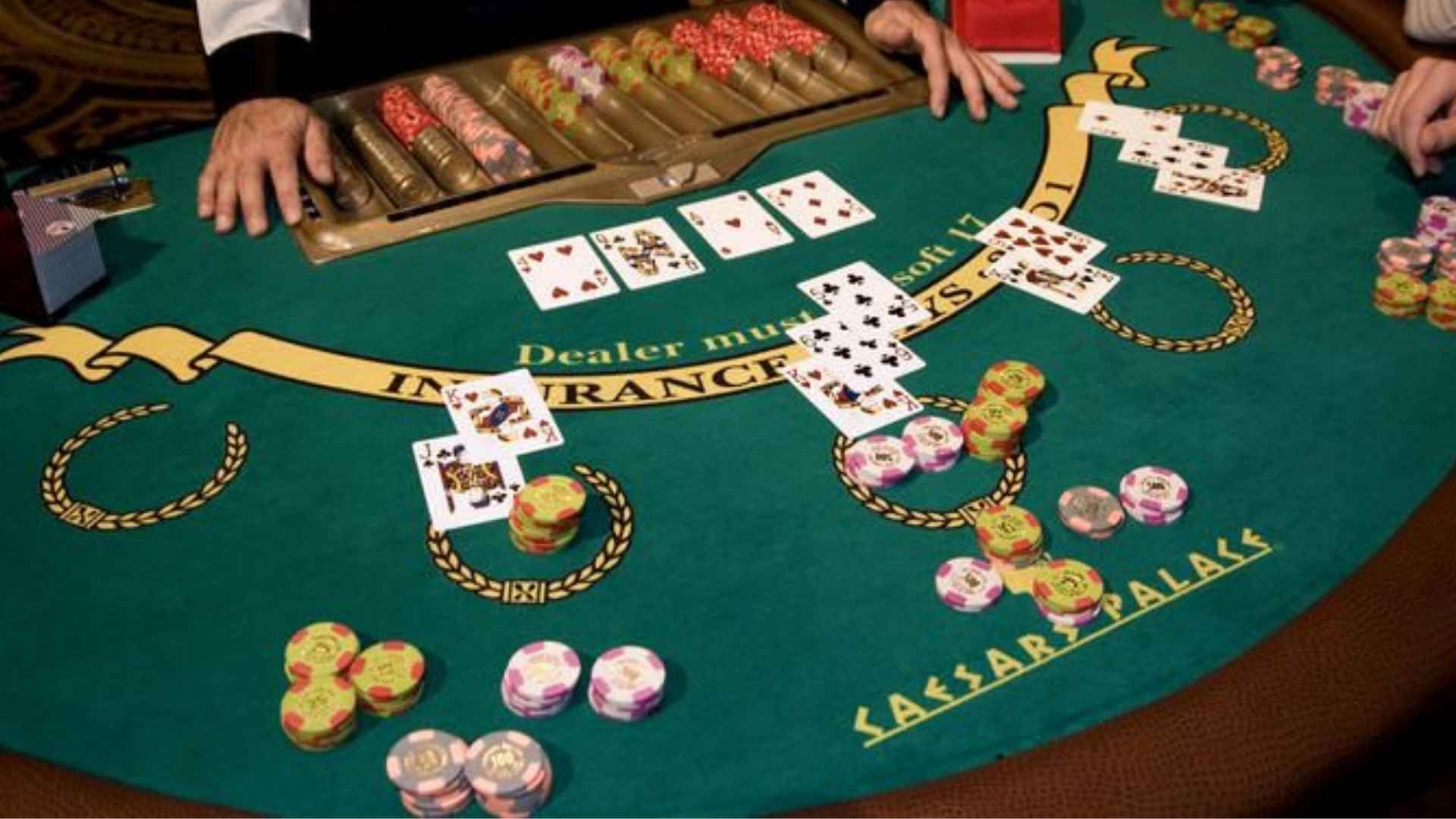
Competitive board gaming creates high-stakes scenarios where a single move determines victory or defeat. As players near the end of a match, cognitive load reaches its peak, driving complex emotional and psychological responses. Understanding how minds handle these pivotal climax decision moments reveals fascinating insights into human risk perception, strategic focus, and stress management.
The Surge of Cognitive Load at the Final Turn
When a competitive game reaches its climax, players face an overwhelming amount of information to evaluate simultaneously. Every potential move must be calculated against possible counter-strategies, creating intense mental fatigue. This sudden rise in cognitive pressure tests a player's ability to remain objective under time constraints.
As decision-making becomes more taxing, players often rely on intuitive heuristics rather than exhaustive calculation. Strategic thinkers who learn to regulate their focus during these moments prevent premature burnout and maintain analytical clarity. Managing internal mental clutter is often what separates top-tier competitors from casual enthusiasts.
Risk Evaluation and the Fear of Miscalculation
During pivotal turns, the psychological framing of risk shifts dramatically based on a player's current standing. Leading players often experience loss aversion, opting for conservative choices to preserve their advantage. Conversely, trailing players are more inclined to adopt aggressive, high-variance plays to flip the standings.
Analyzing how individuals calculate risk under pressure provides deep insights into gaming behavior across various platforms, including real-money gaming environments such as m88 casino. The emotional weight of a final decision often distorts pure mathematical odds, leading to overthinking or unexpected bluffs. Successful players acknowledge these emotional biases and strive to make mathematically sound choices regardless of fear.
Managing Emotional Stress and Time Pressure
Physiological responses such as increased heart rate and heightened adrenaline levels naturally accompany climax moments in tabletop competition. If unmanaged, this physiological surge can trigger tunnel vision, causing players to overlook obvious tactical opportunities. Developing routines to stay calm ensures emotional reactions do not dictate game outcomes.
Time pressure acts as a powerful catalyst that accelerates psychological tension. Compelling opponents to make rapid choices during critical turns frequently forces uncharacteristic mistakes. Building resilience against external clock pressure allows players to execute complex tactical sequences smoothly.
Post-Decision Reflection and Strategic Growth
The moment immediately following a climax choice offers crucial learning opportunities for dedicated board game competitors. Whether a high-stakes gamble succeeds or fails, evaluating the thought process behind the decision strengthens future strategic judgment. Over time, players develop enhanced emotional regulation that benefits their play in subsequent matches.
Ultimately, high-tension decision-making is what renders competitive tabletop gaming profoundly engaging. Embracing the psychological complexity of climax moments transforms simple game nights into rich exercises in mental agility and self-awareness. Mastering your own psychological response ensures consistent performance when victory hangs in the balance.